

What to Do When Your Home Isn’t Selling (Without Immediately Dropping the Price)
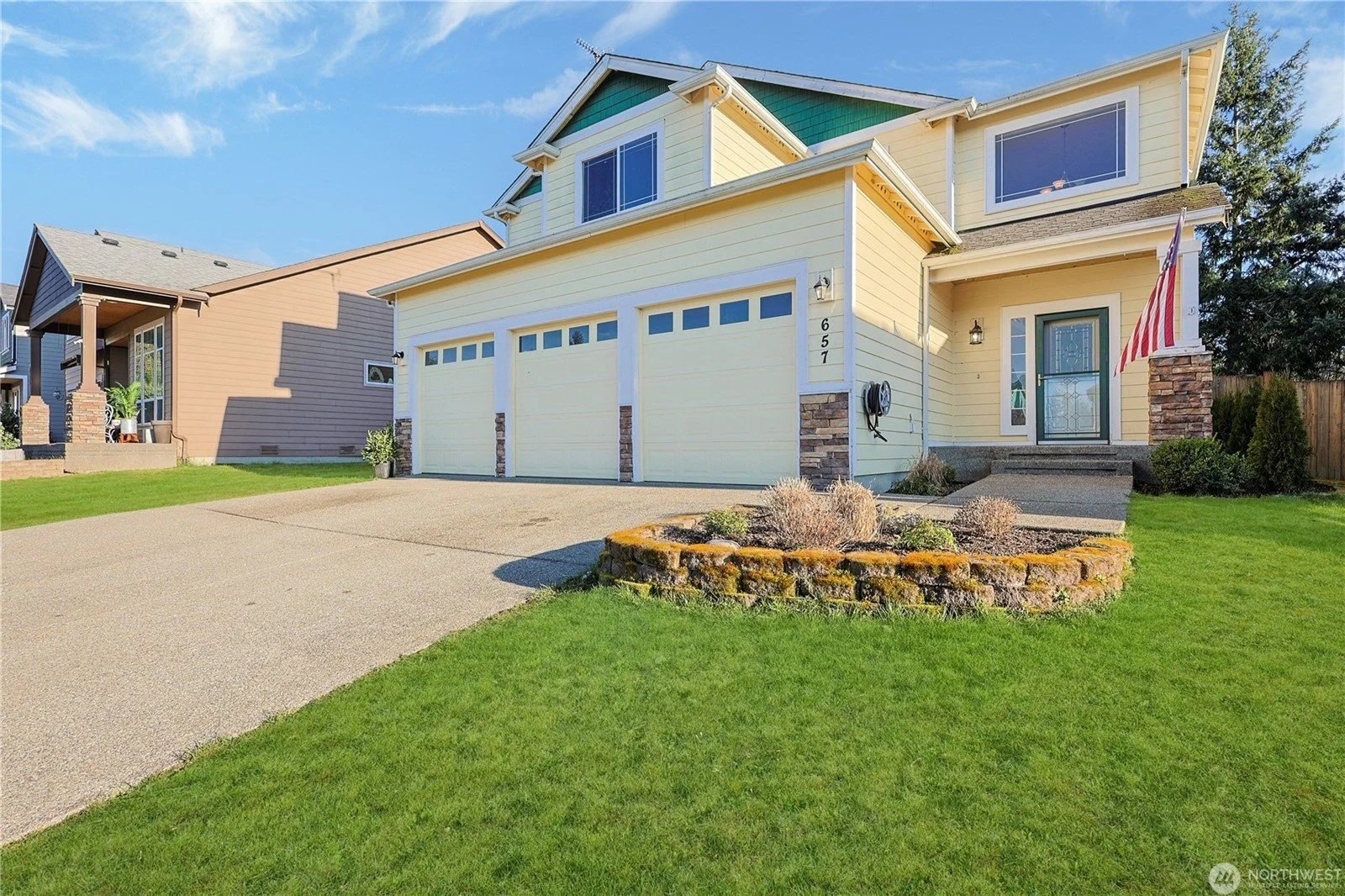
When your home isn’t selling, the default advice is almost always the same:
Lower the price. Wait it out. Hope for the right buyer.
But that’s not always the best move… especially if you’re on a timeline or you know your property has long-term value.
I recently worked with sellers in this exact situation. They needed to move quickly, but the market pace didn’t align with their timeline. Instead of forcing a sale that didn’t make sense, we took a step back and looked at every available option.
Because a traditional sale isn’t the only strategy.
First: Understand the Real Problem
When a home isn’t selling, it’s usually not just “the market.”
It’s a combination of:
Timing
Buyer pool
Financing limitations
Property type (this is especially true with rural homes, acreage, or unique properties)
Once you understand why it’s not moving, you can start to adjust the strategy.
The Options Most Sellers Don’t Realize They Have
Instead of defaulting to a price drop, we explored multiple paths each one designed to either increase demand, expand the buyer pool, or create income in the meantime.
Here are some of the strategies we considered:
1. Increase Buyer Accessibility
Sometimes it’s not about price it’s about how easy it is for a buyer to say yes.
We looked at:
Offering credits for updates (like flooring or paint)
Adjusting agent compensation to incentivize more showings
Offering a rate buy down
Offering a home warranty
These small shifts can significantly increase activity without cutting into your bottom line the way a price reduction does.
2. Expand Financing Options
One of the biggest limitations in today’s market is financing.
So we explored:
Seller financing / wrap options
Offering an assumable mortgage to attract buyers looking for a better rate
Lease-to-own (lease purchase) structures
Creative terms that could open the door to buyers who otherwise wouldn’t qualify
This approach can dramatically widen your buyer pool especially for unique or higher-priced properties.
3. Convert to an Income-Producing Asset
If selling right now doesn’t make sense, the next question becomes:
Can the property work for you in the meantime?
We looked at:
Long-term renting
Short-term rental (STR) potential
In this case, securing a strong tenant allowed the sellers to move forward without sacrificing their long-term position.
4. Wait Strategically (Not Passively)
“Waiting” doesn’t have to mean sitting on the market with no activity.
A better approach is to:
Pause and reposition
Improve the property if needed
Re-enter the market when conditions (or your situation) are more favorable
This puts you back in control instead of reacting to the market.
The Most Important Shift: Don’t Force the Wrong Outcome
In this situation, we didn’t force a sale just to check the box.
We created a solution that aligned with the sellers’ goals.
They were able to:
Move on their timeline
Generate income from the property
Preserve their equity
Keep the option open to sell later from a stronger position
And most importantly they felt confident in the decision.
This Is What Strategic Representation Looks Like
A lot of agents focus on one path: getting your home sold.
But real representation means looking at the full picture and helping you make the best decision even if that decision isn’t selling right now.
Especially with rural homes, land, and unique properties, there’s rarely a one-size-fits-all solution.
Not Sure What the Right Move Is?
If your home isn’t selling (or you’re trying to decide whether to sell, rent, or hold) it’s worth having a conversation about all your options before making a decision.
Sometimes the best move isn’t the most obvious one. And having a clear strategy can make all the difference.