Mini Farm vs. Raw Land: What Makes More Sense for You?
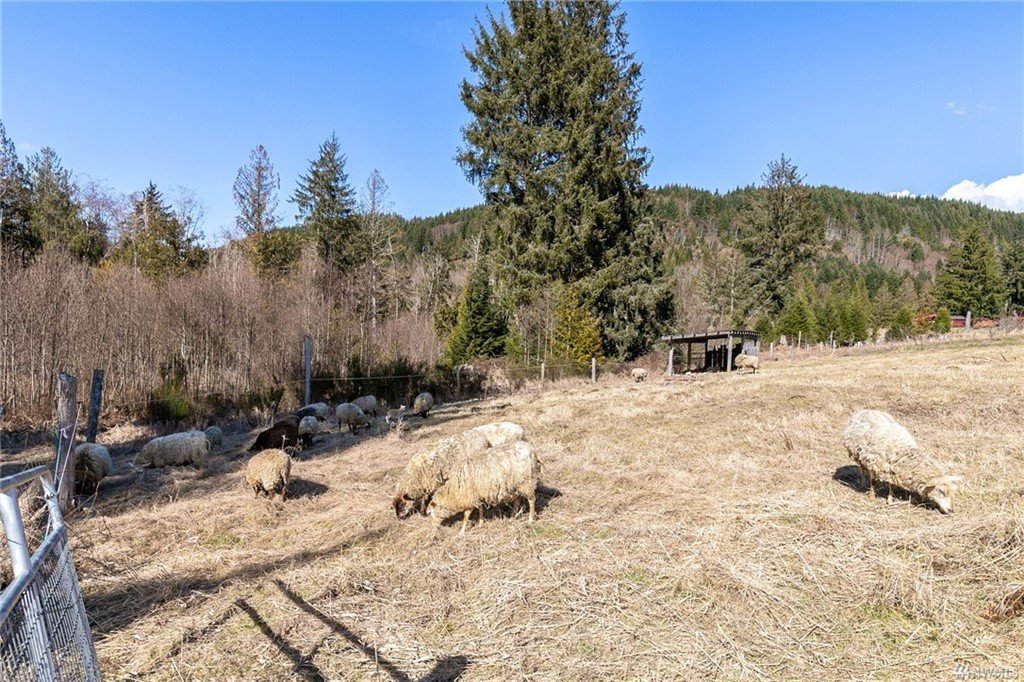
Sheep hanging out in the field of a farm property I sold for clients in Mineral, Washington.
This is a conversation I end up having with buyers all the time.
A lot of people start out thinking they want raw land. The idea of building something from scratch, placing the home exactly where you want it, creating your own setup… it’s appealing. And sometimes that is the right fit. But once we start looking at properties and talking through what it actually takes to get there, a lot of buyers shift pretty quickly.
What draws people to raw land
On the surface, raw land can feel like the better deal. It’s usually less expensive upfront, and there’s something exciting about starting with a blank slate. You’re not working around someone else’s layout or decisions. You get to create exactly what you want. For buyers who have a clear vision, time, and the right budget, it can be a really good option. But this is also where expectations and reality don’t always line up.
What raw land actually involves
This is the part that’s easy to underestimate. Before you even think about building, there’s a process. Septic, well, power, site work, access… and each of those comes with its own timeline, cost, and sometimes surprises. I’ve had buyers go into it thinking they’ll be ready to build within a few months, and then realize it’s a much longer runway. That doesn’t make it a bad choice… it just means you want to go in knowing what you’re signing up for.
Why mini farms appeal to so many buyers
Once buyers start seeing properties that are already set up, something usually clicks.
A mini farm (or even just a property that’s partially developed) takes a lot of the unknowns off the table.
You might already have:
a home in place
fencing or pasture
outbuildings or a shop
utilities established
It’s not just about convenience. It’s about being able to step into the lifestyle right away instead of building toward it over time.
Where mini farms can fall short
That said, they’re not perfect either. You’re working with what’s already there. The layout might not be exactly how you would have designed it. The home or structures might need updates. And sometimes you’re paying for improvements that you wouldn’t have chosen yourself. For some buyers, that trade-off is worth it. For others, it feels limiting.
What most buyers end up realizing
This is usually where things get clearer. It’s less about “raw land vs. mini farm” and more about how you want to spend your time, money, and energy over the next few years. Do you want a project? Or do you want something you can start using right away? I’ve seen buyers come in set on raw land and end up choosing a mini farm because they don’t want the delays and uncertainty. I’ve also seen buyers pass on great existing properties because they have a very specific vision they want to build from the ground up. Both are valid—it just depends on what matters most to you.
The bottom line
There’s no one-size-fits-all answer here. Raw land gives you flexibility and a blank slate, but it comes with more time, cost, and unknowns. Mini farms offer a more immediate path into the lifestyle, but with a little less control over how everything is set up. The right choice usually comes down to being honest about what you want your day-to-day to look like, not just what sounds good in theory.