

How to Tell if Land is Actually Buildable in Washington State
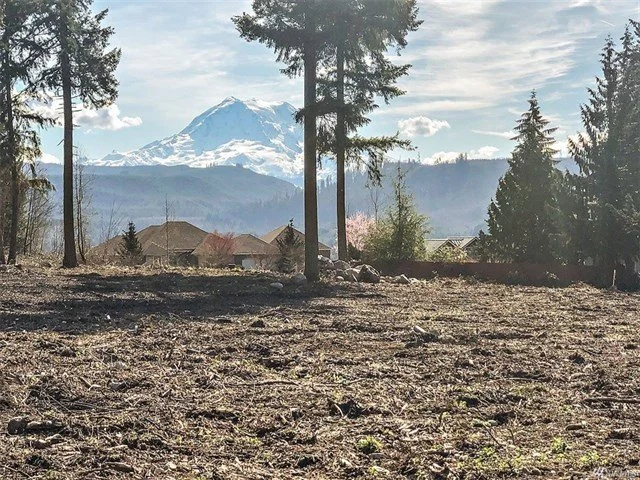
Photo of a lot I helped a buyer purchase to build on in Graham, Washington.
This is one of the biggest misconceptions I see when people start looking at land.
If it’s listed for sale, it must be buildable… right? Not always. And the tricky part is, a property can technically be buildable but still not work for what you’re trying to do. This is usually where things start to shift for buyers—once we get past the photos and start looking at how the land actually functions.
Start with what you want to build
Before you even get too far into a property, it helps to know what you’re trying to put on it. A small cabin, a manufactured home, a larger custom build… those all have different requirements. I’ve seen situations where a property could support a smaller home, but not the size or layout the buyer had in mind. So even though it “worked,” it didn’t really work for them.
Septic is usually the first real test
In most rural areas around here, you’re going to need septic. And this is one of the biggest make-or-break factors. A property might have perked at some point, but that doesn’t always mean it still will. Soil conditions change, requirements change, and not every lot can support the type of system you need. This is usually one of the first things we look into during feasibility, because it can completely change whether a property is worth pursuing.
Pay attention to the land itself
This is where photos can be misleading. Slope, drainage, and layout matter a lot more than people expect. I’ve walked properties that looked great online, and within a few minutes you could tell there just wasn’t a good spot to actually build. Sometimes the “building area” is smaller than it seems. Sometimes it’s in a place that creates other challenges with access or cost. And sometimes the best part of the property isn’t where you’d actually be able to put the house.
Access matters more than it seems
A property needs legal access, but it also needs practical access.
That could mean:
a driveway that meets county requirements
enough room for emergency vehicles
or simply something that’s usable year-round
This is one of those things that doesn’t always stand out right away, but can become a bigger factor once you start planning.
Utilities can change everything
Power, water, and overall site development can shift the entire picture. A property might look like a great deal, but once you factor in the cost of bringing in utilities, drilling a well, or preparing the site, it may not make as much sense.
This doesn’t mean you avoid those properties… it just means you go into it with a clear understanding of what’s involved.
Feasibility is where the real answers come from
This is the step that ties everything together. A feasibility period gives you time to bring in the right people, ask the right questions, and understand what the property actually is… not just what it looks like online.
That might include:
septic evaluation
talking with the county
looking at site conditions more closely
This is where you either gain confidence in the property… or decide to pivot before you’re too far in.
The bottom line
A piece of land can look perfect at first glance and still not be the right fit once you dig into it. The goal isn’t just to find something that’s “buildable” it’s to find something that works for what you’re trying to create. That usually comes down to asking the right questions early and not relying on assumptions. If you’re looking at land and want help sorting through what actually works versus what might have hidden challenges, I’m always happy to walk through it with you.